Vinyll
A vinyl record marketplace for collectors and sellers
Vinyl record marketplace for collectors, sellers, and music enthusiasts.
Platform Type
Product Marketplace
Scope
Marketplace UX, seller listing, collector flows
https://vinyl.com
Visual Showcase
Platform in Detail
Every screen designed for clarity, trust, and conversion.
https://vinyl.com
Product Overview
Vinyll organizes discovery, selling, offers, and collection behavior around how vinyl collectors actually shop.
https://vinyl.com
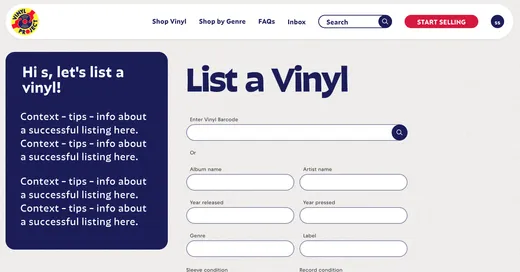
List Vinyl Flow
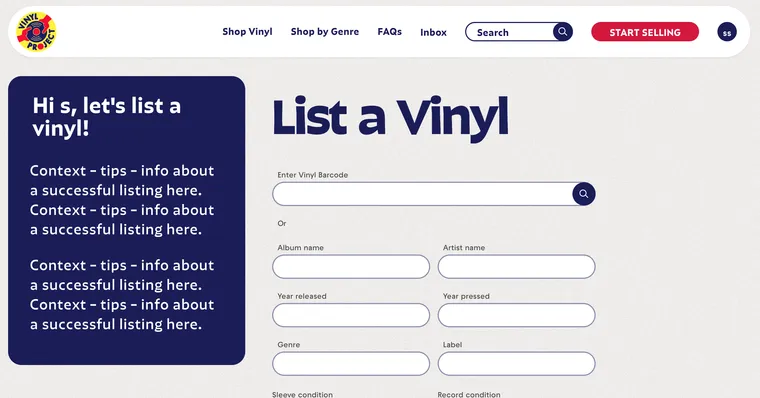
Barcode listing helps sellers publish records faster while preserving the metadata collectors expect.
https://vinyl.com
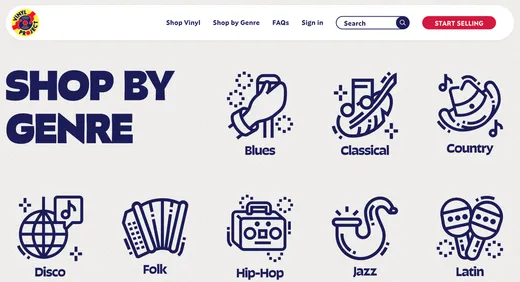
Shop by Genre
Shop by Genre from the Vinyll case study.
https://vinyl.com
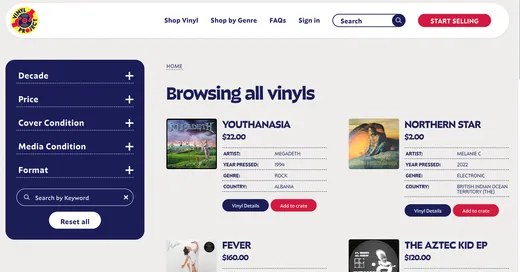
Browse Vinyl
Browse Vinyl from the Vinyll case study.
https://vinyl.com
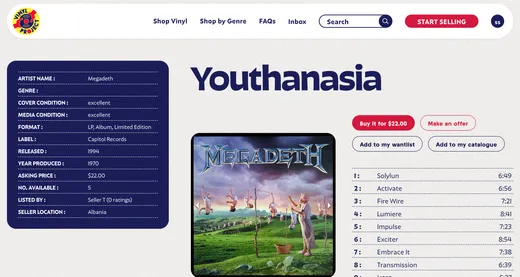
Product Detail
Product Detail from the Vinyll case study.
Barcode Listing
Genre Browsing
Offer Actions
Collector Metadata
Add to Crate
Make an Offer
What We Designed & Built
Platform Features
Barcode Listing
Seller flow that starts with barcode search and falls back to manual record data.
Genre Browsing
Visual genre categories for exploratory music discovery.
Offer Actions
Buy now, make an offer, add to wantlist, and add to catalogue flows.
Collector Metadata
Artist, condition, format, label, year, seller, availability, and tracklist.
User Experience
Marketplace User Journey
Discover Marketplace
Lands on the homepage and understands the platform value.
Search Products
Uses search, categories, filters, or curated browsing paths.
Browse Listings
Compares cards, metadata, pricing, availability, and signals.
View Details
Opens the detail page for images, seller context, and terms.
Add to Cart or Offer
Takes the next action through cart, inquiry, or offer flow.
Checkout
Reviews the order summary and completes the purchase path.
Explore Sellers
Checks profiles, reviews, storefronts, and trust details.
Return & Save
Saves favorites, follows sellers, or comes back to browse.
https://vinyl.com
The challenge
Designing marketplace flows for collector behavior
What We Built
Vinyl buyers often browse by genre, artist, condition, pressing, label, seller, and price. They may want to add records to a crate, save them to a catalogue, make an offer, or compare sellers before buying.
Business Impact
Vinyll organizes discovery, selling, offers, and collection behavior around how vinyl collectors actually shop.
https://vinyl.com
How the platform works
From genre browsing to crate, offer, or catalogue
What We Built
A buyer can browse by genre, open product details, review seller and record metadata, add a record to crate, make an offer, or save it to a catalogue. The product supports both purchase intent and collection management.
Business Impact
Barcode listing helps sellers publish records faster while preserving the metadata collectors expect.
Impact
What Changed After Launch
Impact 1
Made the marketplace feel specific to vinyl collectors instead of generic ecommerce.
Impact 2
Reduced seller listing friction with barcode-assisted workflows.
Buyer engagement through crate
Improved buyer engagement through crate, offer, catalogue, and genre discovery features.
Build something similar
Build a Web Platform Your Users Can Trust
From marketplaces and booking systems to SaaS dashboards and custom portals, we design and build scalable web apps with clean UX and strong business logic.